From April 2026, the way some self-employed individuals and landlords manage their taxes is going digital—and it’s not optional. Here’s what you need to know and how to prepare.
Who’s Affected?
The MTD for ITSA requirements will be phased in based on income thresholds:
- From 6 April 2026: Individuals with gross self-employment or property income over £50,000.
- From 6 April 2027: Individuals with gross self-employment or property income over £30,000.
- From 6 April 2028: Individuals with gross self-employment or property income over £20,000
These thresholds are based on the total income from self-employment and property lettings combined. If your income falls below these thresholds, you won’t be required to comply with MTD for ITSA at this time. However, you can choose to opt in voluntarily.
What Is MTD for ITSA?
MTD for ITSA (Making Tax Digital for Income Tax Self Assessment) means:
- Keeping your business or property income records digitally
- Sending quarterly updates to HMRC (no more waiting until the end of the year)
- Submitting your annual return through MTD-approved software
Why Is This Happening?
HMRC’s goal is to reduce errors, improve accuracy, and help people “get tax right” the first time around. They estimate that errors currently cost the UK about £5 billion a year in lost tax.
Going digital helps:
- Reduce mistakes
- Save time at year-end
- Cut down on paperwork
- Improve your ability to manage cash flow
Will It Cost Me?
There may be some initial costs involved, especially if you’re not already using digital tools:
- Setting up software (some options will be free or low-cost)
- Possibly upgrading hardware (like your computer)
- Learning how to use the new system (training or support may be needed)
On average, HMRC expects a one-off cost of around £320, and then about £110 a year ongoing.
The good news? These costs are usually tax deductible.
What Do I Need to Do?
If you’re in the affected income brackets:
- Start preparing now—don’t wait until the deadline.
- If you’re not already using digital accounting software, explore your options.
- Talk to your accountant (or us!) for support with choosing and setting up the right system.
- Keep an eye out for updates—MTD is still evolving, and HMRC will be publishing more guidance over time.
Need Extra Support?
HMRC will have exemptions for people who genuinely can’t go digital—for example, due to age, disability, or location (e.g. poor internet access). And there will be extra help available, like:
- Webinars and tutorials
- Software support
- Dedicated helplines
- Agent support (which we can provide for you!)
Final Thought
MTD is a big shift—but it’s also a chance to simplify your tax admin in the long run. With the right support and software, it can make your life easier, not harder.
We’re here to help you get ready. Whether you want to start using software now or just have questions, let’s have a chat.
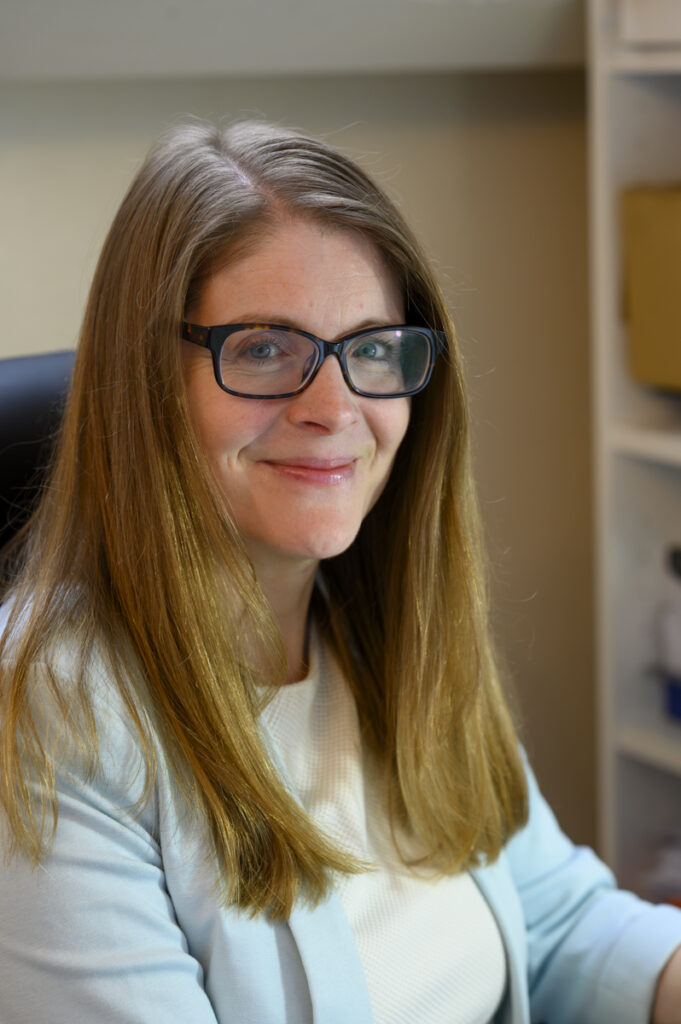
I am your local accountant, the sole Director of the practice and my name is Sonya Jolly.
I qualified as a chartered certified accountant in 2000 and have over 20 years of general practice experience.
I have always worked with small owner-managed businesses and individuals.
I feel my approach allows me to develop lasting relationships with clients, providing them with all their accountancy and taxation needs and requirements.
I like to get to know my clients well and to take the time to learn about all areas of their businesses, resulting in more tailored taxation and financial advice.
I want to offer my service as a Micro-Financial Director within small owner managed businesses within the North-West.