With the new UK tax year starting on 6 April 2026, there are several important payroll changes that employers need to be aware of. From increased National Insurance costs to updates in statutory pay and reporting requirements, these changes could have a direct impact on your payroll processes and overall business costs.
Here’s a breakdown of the key updates for the 2026/27 financial year.
Employer National Insurance Changes
One of the most significant changes this year is the increase in Employer National Insurance Contributions (NICs).
- Employer NIC rate increases to 15% (up from 13.8%)
- Threshold remains at £5,000 per year
(previously £9,100 before earlier changes)
What this means:
Employers will pay more NICs for each employee, particularly affecting businesses with part-time or lower-paid staff. It’s important to factor this into budgeting and pricing moving forward.
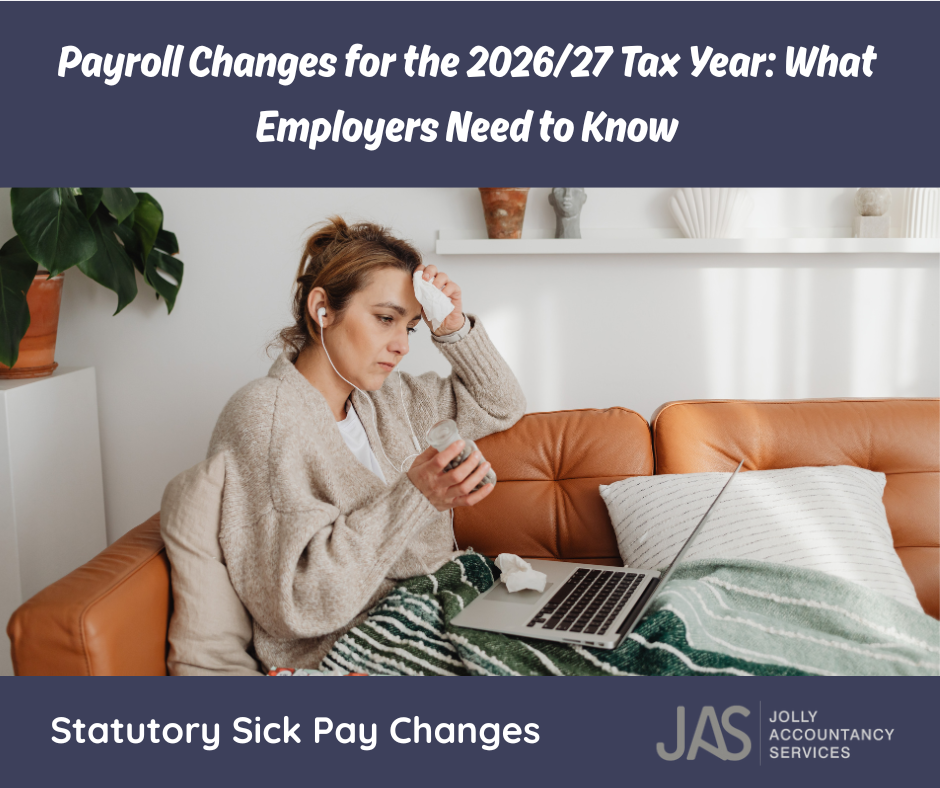
Statutory Sick Pay (SSP) Update
From April 2026:
- SSP is now payable from Day 1 of sickness
What this means:
This removes the previous waiting period and increases the cost of employee absences. Employers should review absence policies and consider the financial impact.
Small Employers’ Relief Increase
There’s some positive news for smaller businesses:
- Eligible employers can now reclaim 109% of certain statutory payments (up from 108.5%)
- Applies if your Class 1 NICs are £45,000 or less annually
You can reclaim on:
- Statutory Maternity Pay
- Statutory Paternity Pay
- Statutory Adoption Pay
- Shared Parental Pay
- Parental Bereavement Pay
- Statutory Neonatal Care Pay
Important: SSP is not reclaimableWhat this means:
This increase offers slightly more financial support to smaller employers managing statutory payments.
Student Loan Threshold Updates
New thresholds apply from 6 April 2026:
- Plan 1: £26,900
- Plan 2: £29,385
- Plan 4: £33,795
- Plan 5: £25,000
- Postgraduate Loan: £21,000
Deduction rates remain:
- 9% for Plans 1, 2, 4 and 5
- 6% for postgraduate loans
What this means:
Payroll systems must be updated with the correct thresholds to ensure accurate deductions.
Starter Checklist Changes
Updates now include:
- Addition of Plan 5 student loan option
- Clearer guidance for employees with multiple loan types
What this means:
Make sure you’re using the latest starter checklist to avoid incorrect deductions.

Benefits in Kind (BiKs) & Reporting
- Deadline to register for payrolling benefits for 2026/27 has now passed
- If not registered, employers must continue using:
- P11D forms
- P11D(b) submissions
Key deadline:
- 6 July 2026 for 2025/26 reporting
What this means:
Late or incorrect submissions can result in penalties, so it’s important to stay on top of deadlines and reporting requirements.
RTI (Real Time Information) Errors to Avoid
HMRC has highlighted ongoing issues with payroll submissions, particularly:
- Incorrect use of payroll IDs
- Missing or incorrect start dates
- Submitting nil pay incorrectly
- Reusing payroll IDs for different employees
What this means:
These errors can lead to duplicate records, incorrect tax calculations, and additional admin work. Double-check your payroll processes to avoid unnecessary complications.
Construction Industry Scheme (CIS) Changes
From April 2026:
- Monthly CIS returns are mandatory again
- Includes nil returns where no subcontractors are paid
- Late filing penalties are being fully reinstated
What this means:
Contractors must stay compliant each month, even during periods of inactivity.
Workplace Benefits – Tax Relief Simplification
From April 2026, employers can now reimburse employees for certain costs tax-free, including:
- Eye tests and required glasses for screen use
- Flu vaccinations
- Homeworking equipment
What this means:
This simplifies processes and supports modern working arrangements without creating additional tax liabilities.

Removal of Home Working Tax Relief
- Employees can no longer claim tax relief for working from home expenses unless reimbursed by their employer
What this means:
Employers may want to review whether they offer reimbursements for homeworking costs as part of their benefits package.
HMRC Communication Updates
- HMRC may now send text message updates regarding PAYE Settlement Agreements
What this means:
Ensure your contact details are up to date and staff are aware of legitimate HMRC communications.
Final Thoughts
The 2026/27 tax year brings a mix of increased costs and administrative changes for employers. The rise in Employer NICs and changes to SSP will likely have the biggest financial impact, while updates to reporting and payroll processes mean accuracy is more important than ever.
Next steps for employers:
- Review and update payroll software
- Check employee records and loan deductions
- Ensure compliance with reporting deadlines
- Reassess budgets to account for increased costs
Staying proactive now can help avoid costly mistakes later in the year.

Let me introduce myself…
I am your local accountant, the sole Director of the practice and my name is Sonya Jolly.
I qualified as a chartered certified accountant in 2000 and have over 20 years of general practice experience.
I have always worked with small owner-managed businesses and individuals.
I feel my approach allows me to develop lasting relationships with clients, providing them with all their accountancy and taxation needs and requirements.
I like to get to know my clients well and to take the time to learn about all areas of their businesses, resulting in more tailored taxation and financial advice.
I want to offer my service as a Micro-Financial Director within small owner managed businesses within the North-West.
You may not think you can afford such a service but it is easily affordable when this means that you can use your time more effectively.
Do what you do best and let me concentrate on the financial and administrative side.